Find the right sterling silver bar stock or compatible silver alloys for crafts, jewelry, or knife handle accents. This guide highlights practical options for different needs, from pure silver bars to nickel-silver alloys used in decorative hardware. Best for hobbyists and small-shop makers seeking consistent formability, durability, and a cost-effective silver look.
The following table compares five relevant products to help buyers choose quickly. Consider your project’s hardness, malleability, and finish when selecting between pure silver and nickel-silver alloys.
| Product | Type | Best For | Material Notes |
|---|---|---|---|
| 925 Sterling Silver Rectangle Flat Wire Dead Soft | Sterling Silver Wire | Fine jewelry and delicate components | 925 sterling, dead soft, rectangle shape |
| 3 Oz .999 Fine Silver Bar – Monarch | Fine Silver Bar | Solid, substantial showpieces or accumulations | .999 fineness, hand-poured |
| Engravable Sterling Silver Rectangle Bar Blanks | Engraving Blanks | Personalized gifts and keepsakes | .925 sterling, with rings for engraving |
| 752 Nickel Silver Bar Stock (1″ 1/8 x 1.5″ x 12″) | Nickel Silver Bar Stock | Knife making and decorative components | 18% nickel alloy, good formability |
| 752 Nickel Silver Rods – 1/16″ Diameter, 12″ Length | Nickel Silver Rods | Handle materials and bolsters | 18% nickel alloy, USA-made |
925 Sterling Silver Rectangle Flat Wire Dead Soft
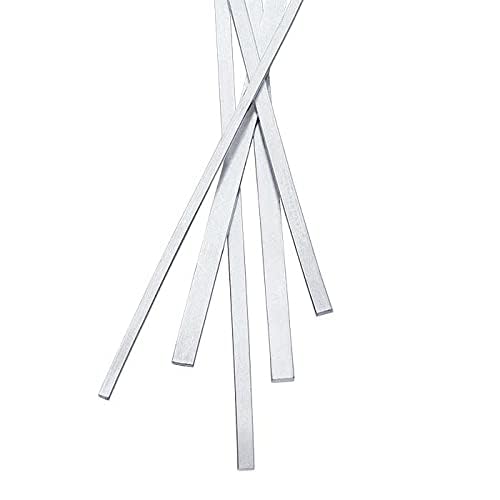
Product type: 925 Sterling Silver wire. Hardness: Dead Soft. Shape: Rectangle. Best for detailed jewelry components where malleability matters. This option is ideal for earrings, fine rings, and decorative elements that require easy bending and stamping.
Why selected: Sterling silver provides a classic look with good corrosion resistance for wearable items. The dead-soft condition supports precise forming and minimal springback, which helps achieve intricate shapes.
Best for: Jewelry makers and craftspersons who require easy up-drafting, piercings, or filigree work. Limitation: Lower strength compared to harder alloys; may deform if used in high-stress structural parts.
3 Oz .999 Fine Silver Bar – Monarch

Product type: Fine silver bar. Best for: Collectors and crafts needing a substantial, classic silver piece with a traditional minted feel. It’s suitable for melting or adding to larger silver projects. Limitations: Higher value metal; handling requires care to avoid surface blemishes during processing.
Why selected: Pure .999 silver offers high purity with a distinctive luster and weight that’s familiar to bullion enthusiasts. The Monarch brand provides a consistent poured texture that many silver workers appreciate for a traditional look.
Best for: Those seeking a premium, high-purity piece for display or incorporation into high-end projects. Choose this if you want near-pure silver without alloying elements that can alter color or hardness.
Engravable Sterling Silver Rectangle Bar Blanks

Product type: Sterling silver engraving blanks with rings. Best for: Custom gifts, personalized keepsakes, and wedding or commemorative items. The rings on the blanks allow easy attachment for jewelry or tags.
Why selected: .925 sterling silver combines good formability with tarnish resistance suitable for engraving and gift-ready finishes. This option suits makers who need ready-to-engrave blanks with a classic silver appearance.
Limitation: The size is fixed at 25x5mm, which may limit design scope for very large or unusually shaped pieces.
752 Nickel Silver Bar Stock (1″ 1/8 x 1.5″ x 12″)

Product type: Nickel-silver bar stock. Best for: Knife makers and decorative hardware fabricators requiring stiffness with ductility. The 18% nickel alloy provides a balanced combination of strength and formability.
Why selected: Nickel-silver is a popular alternative to pure silver for parts that require a silver appearance with improved mechanical properties. This bar stock offers cold workability for stamping and machining complex shapes.
Limitation: Not suitable for applications requiring high electrical conductivity of pure silver or extreme corrosion resistance found in white metals.
752 Nickel Silver Rods – 1/16″ Diameter, 12″ Length

Product type: Nickel-silver rods. Best for: Knife handle components, pins, guards, and bolsters where a silver-like look is desired with good machinability. The smaller diameter is convenient for fine detailing.
Why selected: These rods are made in the USA and can be polished to a mirror finish, making them suitable for visible hardware. They pair well with other nickel-silver components for cohesive styling.
Limitation: Rods at 1/16″ diameter may require extension or assembly with other parts for larger applications.
Buying Guide: Sterling Silver Bar Stock and Alloys
How to choose between sterling silver, fine silver, and nickel-silver
Sterling silver (usually .925) balances price, workability, and tarnish resistance, making it a go-to for jewelry blanks and decorative items. Fine silver (.999) offers high purity and a bright finish but is softer and more prone to denting. Nickel-silver (18% nickel) provides a silver-like appearance with greater stiffness and formability for structural parts and hardware. Choose based on required strength, finish, and intended use.
What project goals influence metal choice
For jewelry and delicate components, dead-soft sterling or fine silver is ideal. For knife handles, bolsters, and hardware that must hold shapes, nickel-silver bar stock or rods offers better machinability and durability without sacrificing the silver aesthetic.
Availability and handling considerations
Online sellers provide various forms (bars, blanks, rods, and wires) in different temper levels. Consider stock size, thickness, and length or diameter to minimize waste. Handle raw silver with care to avoid scratches and tarnish; some pieces might require polishing after fabrication.
Maintenance and finishing tips
Regular cleaning with a silver-safe polish helps preserve shine. For nickel-silver parts, expect a warm gray patina over time; polishing can restore the bright silver look. Engravable blanks are best finished with a light buff and clear sealing if the piece will be worn or exposed to moisture.
Practical questions buyers often ask
- Which is best for engraving: Sterling silver blanks or fine silver bars? Engravable sterling silver blanks are ideal for clean, crisp engravings on a durable surface.
- Can I use nickel-silver for jewelry? Yes, nickel-silver can be used for decorative jewelry components, offering a silver appearance with good formability.
- Is .999 silver necessary for all projects? No. For many decorative applications, .925 sterling provides ample purity and improved hardness balance.
- What temper should I choose for bars and rods? Dead-soft works well for forming; spring temper adds stiffness for stable shapes in heavier components.
- Are there safety considerations when machining these alloys? Use appropriate protective equipment, as metal dust and chips can pose hazards; follow manufacturer guidelines for cooling and lubrication.
Quick reference: buyer tips
- Match the alloy to the project’s stress and appearance needs.
- Check dimensions to ensure compatibility with tooling and molds.
- Prefer USA-made options when lead times and material consistency matter.
- Consider future finishing steps like polishing, plating, or patina adjustments.
FAQ
- What is the difference between sterling silver and nickel-silver? Sterling silver is an alloy of silver and copper (usually .925). Nickel-silver is an alloy with nickel (often 18%), giving a silver look with greater stiffness and machinability.
- Is .999 fine silver more durable than .925 sterling? Fine silver is softer and more prone to dents; .925 offers a balance of hardness and finish for many crafts.
- Can I use these metals for knife handles? Nickel-silver bar stock and rods are commonly used for knife components due to formability and durability.
- Are there tarnish concerns with these alloys? Sterling silver and nickel-silver can tarnish; regular cleaning helps maintain luster, while some finishes resist tarnish longer.
- Do these products require special tools? Basic metalworking tools, including saws, files, and polishing equipment, are typically sufficient for bars, blanks, and rods.