When handling gold, precision scales are essential for accurate measurements, stability, and repeatable results. This guide highlights five reliable digital scales designed for gold weighing, focusing on readability, calibration, and durability. Each option supports common weights used in bullion, coin grading, and jewelry work, with features tailored to professional and hobbyist use alike.
| Product | Brand | Capacity | Key Benefit |
|---|---|---|---|
| Weigh Gram 200g Digital Pocket Gram Scale | Weigh Gram | 200g x 0.01g | Compact, easy calibration, blue backlit display |
| GemOro Platinum XP500 | GemOro | 500g x 0.01g | Professional-grade readings, durable, auto shut-off |
| MAXUS Digital Pocket Gram Scale | MAXUS | 500g x 0.01g | Wide unit support, compact design |
| Fuzion Digital Pocket Scale | Fuzion | 500g x 0.01g | Six units, quick readings, included calibration weight |
| SKEAP Digital Jewelry Scale | SKEAP | 500g x 0.01g | Professional-grade accuracy, sturdy build |
Choosing the right scale depends on weight range, calibration options, and how you plan to use the readings. The following selections balance precision (0.01 g readability), stable platforms, and useful features like tare, backlit displays, and durable construction for daily use in jewelry studios or home workshops.
Weigh Gram 200g Pocket Gram Scale Review

The Weigh Gram pocket scale weighs up to 200 g with 0.01 g readability, making it suitable for small gold items like coins, small bars, or jewelry components. Its compact size (5.2 x 2.99 x 0.79 inches) fits in a pocket or tool kit. A stainless steel platform and protective flip cover provide durability for travel or fieldwork. The LCD display uses blue backlighting for readability in low-light environments. Calibration instructions are included to help maintain accuracy, though users should perform calibration with care to ensure reliability over time. The scale prioritizes portability and straightforward operation, ideal for quick, on-the-go measurements.
Key considerations: ensure calibration is performed in a controlled environment, avoid weighing on unstable surfaces, and verify that items are within the 200 g range. This model is a practical choice for hobbyists and professionals who need a compact, budget-friendly tool with precise granularity.
Power Sentry Coin Scale For Precious Metals
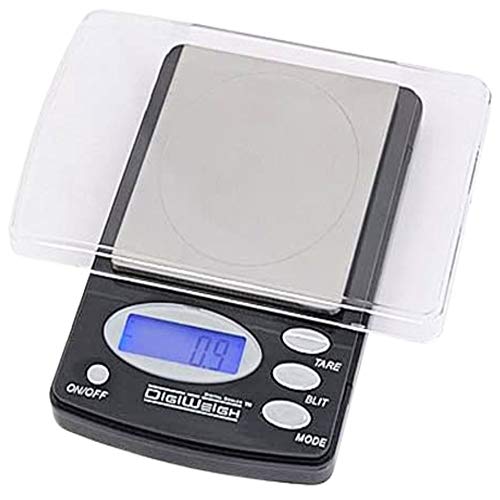
The New Personal Coin Scale Pro supports multiple units, including grams, ounces, Troy ounces, pennyweights, and carats, with a substantial 1000 g capacity. This broad unit support makes it versatile for weighing gold coins, bullion bars, and other precious metals. The device is designed for accuracy and ease of use, offering reliable measurements with a focus on professional applications. It includes a robust display and straightforward calibration options, making it suitable for coin dealers, jewelers, and bullion enthusiasts who demand dependable performance across various measurement standards.
Key considerations: larger capacity expands use cases beyond small items, but ensure the scale remains stable on a solid, level surface. Calibration accuracy benefits from using the provided or recommended weights and periodic checks to maintain trust in measurements over time.
GemOro Platinum XP500 Scale For Jewellers

The GemOro Platinum XP500 is built for professional environments, offering a 500 g capacity with 0.01 g readability. It emphasizes digital precision with a large LCD display for clear readings, and a durable design suitable for jeweler workstations. An auto shut-off feature helps conserve battery life, and push-button calibration supports routine recalibration to preserve accuracy. A five-year limited replacement warranty adds long-term value for users who need dependable performance in busy settings, such as pawn shops or jewelry studios.
Key considerations: check that the scale’s construction supports consistent calibration under daily use. While calibration weights are needed, the device aims to deliver straightforward operation, fast readings, and a reliable scale platform for gem weighing and bullion appraisal.
MAXUS 500g Pocket Gram Scale With Tray

The MAXUS scale offers a 500 g capacity with 0.01 g readability, plus a tray for small items, which reduces the risk of sample loss during weighing. It supports multiple units and includes features like tare and a backlit display for easier readings in varied lighting. The device is designed for versatility across jewelry, coins, and light food weighing. Its compact form factor makes it a suitable choice for fieldwork or desktop use in workshops where space is at a premium.
Key considerations: ensure the scale is placed on a stable, flat surface to prevent measurement drift. Regular calibration with the included weight is recommended to maintain accuracy, especially if used in high-traffic environments where the scale experiences frequent handling.
Fuzion Digital Pocket Scale With Six Units

The Fuzion digital pocket scale features 500 g capacity with 0.01 g readability and provides six weighing units (g, oz, gn, ct, dwt, ozt). A backlit LCD makes readings clear, and it includes a 50 g calibration weight for easy recalibration. The scale is designed for jewelry, coins, herbs, and small items, with a sturdy ABS lid and magnets for protection during transport. Auto-off helps conserve battery life, and the device ships with two trays and batteries for immediate use.
Key considerations: verify that calibration weights are available and compatible with your measurement needs. If you frequently weigh precious metals, a scale with a consistently readable display and reliable tare function helps improve workflow efficiency in busy environments.
SKEAP Digital Jewelry Scale For Professionals
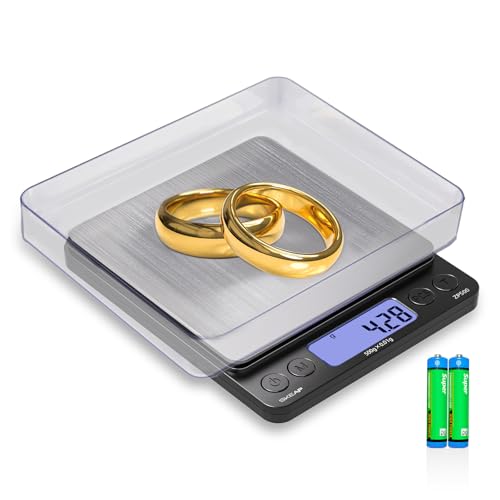
The SKEAP scale targets jewelers and collectors with 0.01 g readability and a robust, reinforced stainless steel weighing platform. It supports tare, piece counting, and multiple measurement modes to streamline professional workflows. The scale is designed to endure daily workshop use, including handling small gemstones, bullion, and coins. The backlit LCD provides clear visibility under varied lighting conditions, and automatic tare helps when weighing items in containers, ensuring precise net weights for precious metals and gems.
Key considerations: a durable build and calibration stability are essential for ongoing professional use. If you require high-precision counting and repeatable tare performance, this model offers a strong balance of accuracy and resilience in demanding environments.
Buying Guide: Key Purchase Considerations
- Accuracy and readability: Look for scales with 0.01 g readability for gold weighing. More precise scales support finer distinctions between similar items and improve grading outcomes.
- Capacity: Choose a capacity that matches typical gold items you handle—coins and small bars require 200–500 g scales, while larger bullion may demand higher limits.
- Calibration: Scales with user-friendly calibration processes and included calibration weights help maintain accuracy over time. Regular calibration against recognized weights is recommended.
- Stability and durability: A sturdy, flat weighing platform and a durable housing minimize measurement drift and protect the scale in daily use.
- Readability: Backlit displays and clear units reduce measurement errors in various lighting. Consider viewing angles and display brightness for your workspace.
- Unit versatility: Grams, Troy ounces, pennyweights, carats, and grains cover a wide range of gold-related tasks—from bullion weighing to gemstone appraisal.
- Power and portability: Battery life and a lightweight form factor matter for fieldwork or shop floors with limited outlets.
- Warranty and service: A longer warranty and accessible customer support provide assurance for professional workloads.
In practice, selecting a scale for gold weighing involves balancing capacity, precision, and your typical workflow. Scales in this guide offer reliable 0.01 g precision, multiple units for flexibility, and durable designs suitable for jewelry studios, bullion dealers, and hobbyists. Always calibrate with appropriate weights and ensure the scale sits on a stable surface to maximize measurement reliability over time.