For buyers seeking natural and lab-created red, blue, and green gemstones, this guide highlights five top options that balance authenticity, versatility, and value. Each product is suited to different projects—from birthstone-inspired jewelry to DIY gemstone wraps. Read on to find the best fit for your design goals, whether you’re a hobbyist, a professional jeweler, or a collector building a mixed gemstone collection.
| Product | Best For | Key Benefit |
|---|---|---|
| GEMHUB Approx 100 Ct Lot (7 pcs) | Jewelry making beginners and seasoned crafters | Mix of natural emerald, ruby, sapphire stones in a single lot |
| CRYSTALINES Natural Wholesale Raw Mix Gemstones | DIY designers and spiritual crafts | Raw, irregular shapes with multiple colors for unique designs |
| GemHub Lot of 7 Loose Mixed Gemstones | Classic color trio lovers | Oval-cut stones totaling about 100 carats |
| REAL-GEMS Red Ruby 16 Carat | Pendant making and focal stones | Lab-created ruby with a vivid red hue |
| Generic Globalgems 100 Carat Mix | Collectors seeking a budget-friendly mixed batch | Certified mix of emerald, ruby, sapphire |
GEMHUB Approx 100 Ct Lot of 7 Loose Gemstones

Contains natural emerald, ruby, and sapphire stones suitable for jewelry making, wire wrapping, and multi-use projects. Best for crafters who want a varied batch for mixed designs. This lot is well-suited for beginners exploring basic settings or seasoned designers prototyping color combinations. The bundle offers a broad color range in a single purchase, ideal for experimenting with different placements in rings, pendants, and earrings.
Who this is for: Jewelry makers who want a diverse selection in one order; educators or students preparing multiple project samples. Caution: stone sizes and cuts vary within the lot, which may affect uniformity in a single collection.
CRYSTALINES Raw Mix Gemstones Pack
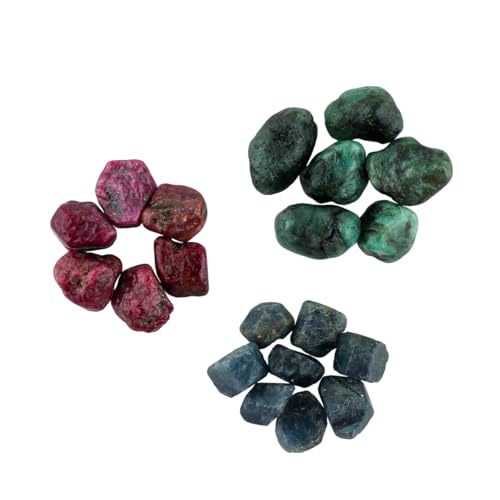
This wholesale raw mix includes ruby, emerald, and blue sapphire rough stones in irregular shapes. Each pack offers a practical size range (8–20mm) and total weight around 25 carats. The stones are ideal for wire wrapping, tumbling, DIY design projects, and home decor accents. Best for designers who favor natural, un-faceted textures and energy-themed crafts.
Who this is for: Do-it-yourself jewelry crafters and crystal healers seeking natural textures. Caution: irregular shapes may require more setting effort and specialized wrapping techniques.
GemHub Lot of 7 Loose Mixed Gemstones

This lot features red ruby, green emerald, and blue sapphire in oval-cut shapes totaling about 100 carats. The mix is suitable for jewelry making, collections, and display pieces. It’s a compact way to obtain three classic precious stones in coordinated shapes, helping designers compare color harmonies and brilliances side by side.
Who this is for: Jewelers seeking a balanced trio in a single bundle; designers creating color-blocked pieces. Limitation: certified authenticity varies by product line; confirm documentation if needed for resale.
REAL-GEMS Emerald, Ruby & Blue Sapphire Pendant Stone
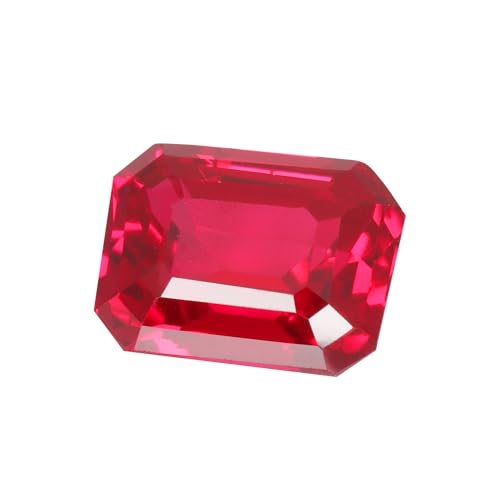
Red ruby focal stone described as lab-created, emphasizing a vivid color for pendant making. The clarity and color stability are designed to enhance jewelry craft. This stone is best used as a standout centerpiece rather than a subtle accent, particularly in lightweight settings.
Who this is for: Designers focusing on high-visibility red focal pieces. Caution: lab-created status should be clearly communicated to end consumers if used in retail settings.
Generic Globalgems 100 Carat Mix Lot

This 100-carat mix includes emerald, ruby, and blue sapphire in a certified loose-gem batch. The variety supports collection-building and testing color combinations across multiple pieces. It’s a cost-efficient option for hobbyists and new jewelers exploring mixed gemstone design directions.
Who this is for: Buyers assembling a diverse gemstone collection or experimenting with mixed-color jewelry. Limitation: “certified” status varies by batch; verify authenticity if required for resale or appraisal.
Buying Guide: Key Considerations For Ruby, Emerald, and Sapphire Stones
- Stone Type And Origin: Distinguish natural vs. lab-created rubies, emeralds, and sapphires. Lab-created stones offer uniform color and often lower cost, while natural stones provide unique inclusions and history.
- Color Quality: For rubies, blue sapphires, and emeralds, color intensity and hue influence value and aesthetics. Pigeon-blood red rubies and deep royal blues command higher appeal; emeralds benefit from rich green tones with manageable clarity.
- Cut And Shape: Faceted, oval, or raw shapes affect brilliance and wearability. Faceted stones maximize sparkle; raw shapes offer rustic charm for bohemian designs.
- Carat Weight And Consistency: Bundles with a broad carat range are ideal for experimentation but may require uniform sizing for specific projects.
- Certification and Authenticity: Certified stones provide assurance for resale or appraisal. When buying mixed lots, expect varying levels of documentation.
- Setting Compatibility: Consider stone hardness (Mohs scale) and durability for daily-wear pieces. Sapphires and rubies rate around 9; emeralds are softer and may require protective settings.
- Cost and Availability: Mixed lots offer budget-friendly options for beginners and test designs. For premium focal pieces, select single stones with clear grading.
Frequently Asked Questions
- What is the difference between natural and lab-created rubies, emeralds, and sapphires?
Answer: Natural stones form in nature and typically show inclusions; lab-created stones are grown in controlled environments with uniform color and fewer defects. - Are mixed gemstone lots suitable for beginners?
Answer: Yes, they provide variety and low cost, but buyers should be prepared for varying sizes, cuts, and color tones. - Should I look for certification with mixed lots?
Answer: Certification is helpful for resale or professional appraisal, but may not be available for every stone in a mixed batch. - What considerations matter most for setting emeralds vs. rubies and sapphires?
Answer: Emeralds are typically more prone to cracking and may require protective settings; rubies and sapphires are generally tougher but still benefit from proper mounting. - How can I verify color quality in stones without lab access?
Answer: Compare color from multiple angles, check for uniformity, and request close-up photos or a grading description from the seller. - What project types suit each stone best?
Answer: For focal pieces, select vivid rubies or deep sapphires; for accents, emeralds and mixed colors work well in halo or clustered designs.