Answering the needs of jewelry makers and metalworkers, this guide highlights 18K and compatible casting grains ideal for precision casting,Lost-wax workflows, and beginners learning casting techniques. The top picks below are best for different budgets, project scales, and metal tones—white, yellow, and rose—so you can choose what fits your design goals. The buyer may be a hobbyist, a student in a metalworking course, or a small studio jeweler seeking reliable casting grains. A quick summary table follows to compare core attributes at a glance.
| Product | Karat / Type | Metal Type | Notable Points |
|---|---|---|---|
| Gold 18K White Casting Grain 1 Gram | 18K White Gold | Gold | Melting 1645°F, Flow 1675°F |
| Gold 14K Yellow Casting Grain 1 Gram | 14K Gold | Gold | Melting 1500°F, Flow 1550°F |
| Gold 10K Yellow Casting Grain 1 Gram | 10K Gold | Gold | Melting 1500°F, Flow 1630°F |
| Rose Gold 14K Pink Casting Grain 1 Gram | 14K Rose Gold | Gold | Melting 1715°F, Flow 1755°F |
| 1 oz Gold Casting Alloy Bright Yellow-Make 22K 18K 14K 12K 10K | Gold Casting Alloy (No Gold) | Alloy | Contains no actual gold; lowers karat in alloys |
Gold 18K White Casting Grain 1 Gram

Best for white-gold jewelry designers and beginners exploring 18K casting. The grain is labeled as 18K white gold, with a melting point around 1645°F and a flow point near 1675°F. This choice is ideal for projects seeking the cool tone of white gold and accurate casting behavior. Best for small-scale pieces and learning the nuances of high-karat gold casting. Consider caution: high-karat alloys require precise temperature control to avoid unwanted oxidation or scorching.
Gold 14K Yellow Casting Grain 1 Gram

Best for warm-toned yellow-gold designs and cost-conscious projects. This 14K yellow grain offers a balance between workability and durability, with a melting point around 1500°F and a flow point around 1550°F. It’s a solid choice for learning casting in open or closed systems and for producing wearable gold jewelry. Limitation: 14K may require adjustment if switching from higher karats due to different flow characteristics.
Amyhill Copper Alloy Casting Grain For Gold Jewelry
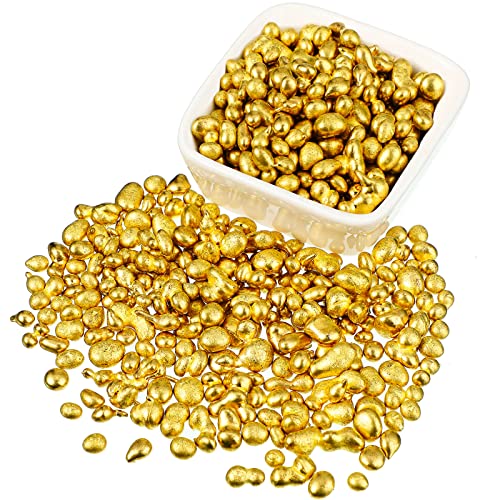
Better for mixed-metal or copper-alloy casting projects where copper’s properties and corrosion resistance matter. This copper alloy casting grain is designed for lost-wax and various casting systems, including open, centrifugal, vacuum, and closed setups. Best for learners seeking a versatile base metal that behaves well in multiple casting methods. Caution: this is a copper-based alloy, not gold, so color and Karat properties will differ from pure-gold grains.
Gold 10K Yellow Casting Grain 1 Gram

Choose this if you want a more affordable karat option with easier melting characteristics. The 10K yellow grain features a melting point near 1500°F and a flow point around 1630°F. Best for beginners and projects where a slightly lower karat is acceptable. Limitation: lower karat means different color and mechanical properties compared with higher-karat grains.
CHGCRAFT 260g Brass Casting For Jewelry

Best for brass-based jewelry projects and as a copper alloy alternative within casting workflows. This brass-based option supports various casting methods and offers a stable material for bronze-like finishes. Limitation: not gold-grade material; color and karat expectations differ from pure gold grains. Suitable for learners exploring alloy behavior and finishing techniques.
1 oz Gold Casting Alloy Bright Yellow

Best for simulation or downgrading karat in practice pieces where actual gold is not required. This alloy is marketed for reducing karat in gold projects but contains no gold itself, relying on other metals like silver, nickel, or copper. Choose this if you want to experiment with rise/fall of flow and pouring behavior without using precious metal. Limitation: does not provide real gold content, so final piece color and karat will not be authentic gold.
Buying Guide
- What karat grade fits my project: 18K for high-end pieces, 14K or 10K for budget-friendly items, or rose/yellow tones for specific aesthetics.
- What melting and flow points are needed for my furnace or casting setup (open, closed, centrifugal, vacuum).
- Is color preference a priority: white, yellow, or rose gold tones require different alloys and processing considerations.
- Is the product intended for learning and practice or finished piece production in a studio setting?
- Do I need a single-metal grain or a copper/brass alloy for mixed-metal designs or casting experiments?
Key comparisons
- 18K White vs 14K Yellow: 18K provides a higher karat and specific color, but may have different flow behavior than 14K.
- Gold grains vs alloys: Grains labeled as gold alloys (no actual gold) are useful for practice, while actual gold grains deliver authentic karat results.
- Open vs closed systems: Some products list versatility across casting setups; choose based on your equipment and skill level.
FAQ
- What is the best grain for a beginner? A lower-karat grain (like 10K) can be easier to work with for learning, but choose based on your design goals.
- Can I cast 18K white gold with standard equipment? Yes, but maintain precise temperatures to prevent oxidation and ensure even flow.
- Is rose gold available as grain? Yes, 14K rose gold casting grain is included in the selections above.
- Are there non-gold alloys in the list? Yes, some products are copper or brass alloys suitable for mixed-metal casting or practice pieces.
- What should I consider when buying grains for lost-wax casting? Consider melting/flow points, system compatibility, and the final color expectations for the design.
- Should I avoid certain grains for specific systems? If you use a furnace type not compatible with the grain’s melting behavior, you may experience poor flow or incomplete casting.