If you’re looking for affordable, ethically sourced gems, lab-grown options offer real brilliance at a gentler price. This guide highlights five value-focused choices, with details to help you pick the right type for rings, pendants, bracelets, or loose stones. Ideal buyers include budget-conscious engagement shoppers, jewelry makers seeking consistent stones, and trend-aware shoppers who want sustainable options without sacrificing sparkle. Below, a quick comparison table helps you compare key features at a glance.
| Product | Best For | Key Stone Type | Approx. Size Range |
|---|---|---|---|
| Gem Stone King Emerald Cut Diamond Ring | Engagement or Anniversary | IGI Lab-Grown Diamond | 1.00–5.00 ct |
| GEMHUB Loose CVD Diamond | Jewelry Crafting | 1.1 mm Round Diamond | 1.1 mm (multiple pieces) |
| Gem Stone King Pendant Necklace | Gift or Everyday Wear | IGI Lab-Grown Diamond | 1.00 ct pendant |
| Round Created Ruby Loose Gemstone | DIY Jewelry or Collecting | Lab-Grown Corundum | Varied sizes |
| Gem Stone King Tennis Bracelet | Bracelet Upgrade or Gift | Lab-Grown Diamonds | 2.65 ct total |
Gem Stone King Emerald Cut Lab-Grown Diamond Ring, 1.00–5.00 Carat

This two-tone 14K gold ring centers an IGI-certified lab-grown diamond. The stone’s color grade is D–E with VS1–VS2 clarity, ensuring near-colorless brilliance and strong sparkle. The setting uses a yellow gold band with a white gold head to emphasize the diamond’s cut and brilliance. Best for: engagements or anniversaries where classic elegance matters. Limitation: available only in certain carat ranges and shapes, so check exact size options before purchasing.
GEMHUB Loose CVD Diamond, 1.1 Mm Round, DEF Color VS/VVS Clarity
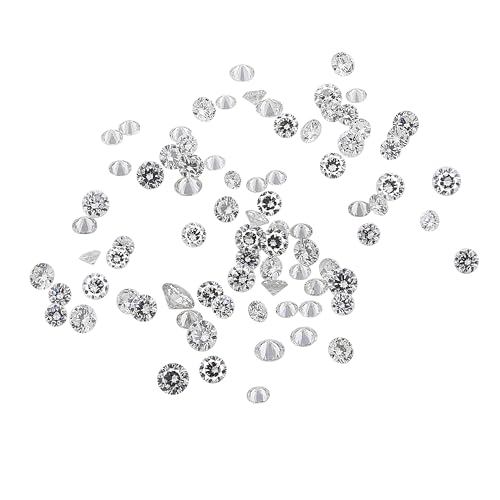
This compact, round lab-grown diamond is certified DEF color with VS/VVS clarity. Its tiny size makes it ideal for delicate accents in eternity bands or micro-pavé settings. Best for: jewelers and hobbyists crafting fine, subtle details. Choose this if you want precise color and high clarity in a small stone; caution: the 1.1 mm size may require special settings and magnification to appreciate color and clarity fully.
Gem Stone King Pendant Necklace, 1.00 Carat Oval Cut

This 1.00 Ct pear/oval-cut lab-grown diamond pendant is IGI-certified for authenticity and ethical production. The setting is offered in 14K white or yellow gold, featuring secure prongs to hold the stone. Best for: gifting or daily wear with a touch of luxury. Limitation: pendant color and chain options may require separate selections; verify chain length and metal tone before checkout.
Round Created Ruby Loose Gemstone (Lab-Grown Corundum)

This lab-grown ruby substitute offers a vivid ruby color in several size options, suitable for DIY jewelry or collection. Best for: designers seeking uniform color and a stable, ethical alternative to natural rubies. Limitation: color and clarity can vary between batches; confirm exact grade and finish before ordering multiple stones.
Gem Stone King Diamond Tennis Bracelet, 2.65 Ct Total
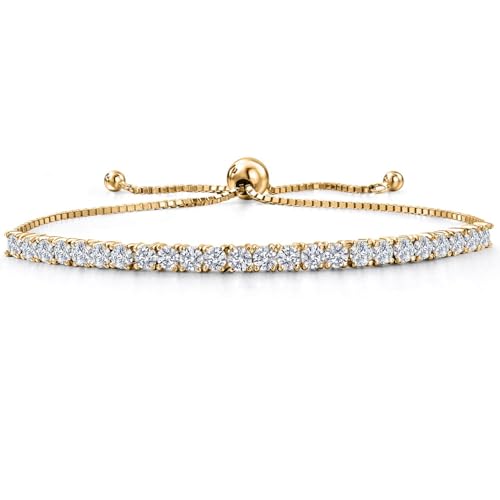
Exquisite lab-grown diamonds totaling 2.65 carats are set in a 925 sterling silver frame with an adjustable bolo closure for wrists up to 9 inches. Best for: a sophisticated gift or everyday luxury. A limitation: the feel and shine depend on the silver’s finish and setting integrity; ensure proper care to maintain sparkle over time.
Buying Guide: Key Purchase Considerations
What should you check before buying lab-grown gems?
- Certification and origin: Look for IGI or equivalent certification that confirms lab-grown origin and provides color, clarity, and cut details.
- Color and clarity: D–E color with VS1–VS2 clarity typically delivers near-colorless stones with minimal inclusions. Consider your budget and goal for brilliance when selecting color grades.
- Setting and metal: Two-tone or solid gold settings alter the ring’s look. For pendants, consider chain length and metal tone to match the diamond’s color.
- Size and shape variety: Lab-grown options come in many shapes and carat sizes. Ensure you can customize to your desired design or need for matching stones.
- Ethical and environmental impact: Lab-grown stones generally offer lower environmental impact than mined stones; confirm company policies if sustainability matters to you.
How To Choose By Scenario
- Engagement or anniversary on a budget: Look for classic shapes (emerald, oval) with high color and clarity.
- Jewelry making: GEMHUB’s small-size diamonds are ideal for micro-settings or pavé work.
- Gifts and daily wear: Pendants and bracelets with secure settings offer easier maintenance and versatile styling.
- DIY projects: Round created rubies invite a bold color choice for mixed-metal designs or earring sets.
Frequently Asked Questions
- Are lab-grown gems as durable as natural stones? Yes, they have the same chemical and physical properties, making them a strong, lasting option for jewelry settings.
- Do lab-grown gems require different care? Care is similar to natural stones; clean with mild solutions and avoid harsh chemicals that could affect metal settings.
- Do certifications guarantee ethical origin? Certifications verify lab-grown origin and grading criteria, which supports ethical production claims.
- Can I customize size and shape after purchase? Many suppliers offer customization options; verify with the seller for exact sizing and shaping capabilities.
- How do I compare lab-grown diamonds with different colors? Prioritize color grade (D–E is near colorless) and clarity (VS1–VS2) for maximum brilliance within budget.
- What is the best choice for a first-time buyer? A classic ring or pendant with IGI-certified diamonds provides reliable value and easy styling for everyday wear.